
Introduction
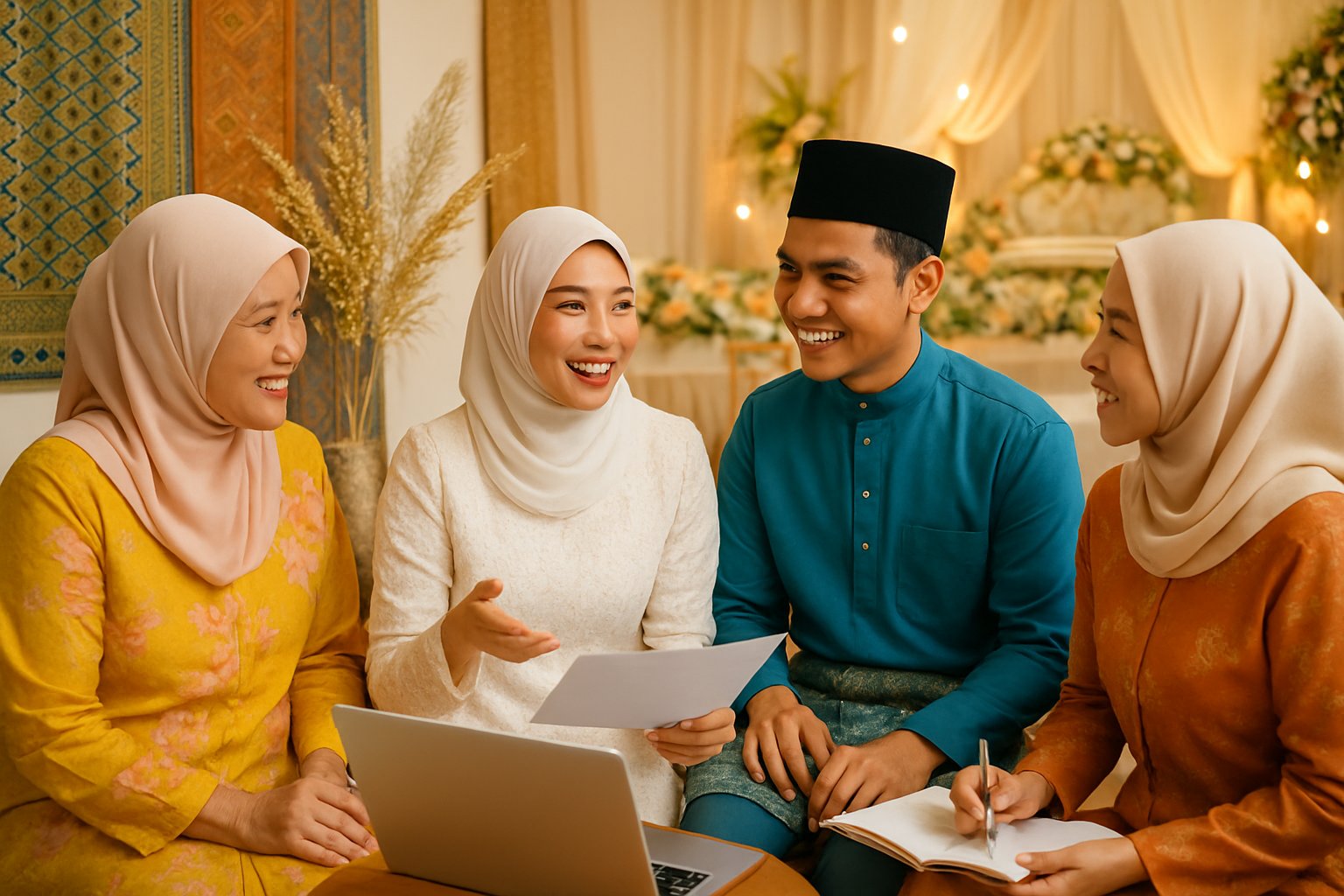
If you are preparing for a wedding in Malaysia this year, you will save time and avoid last-minute stress by understanding how a traditional Malay wedding flows from inquiry to reception. While practices vary by state and family custom, core stages still anchor most ceremonies in 2025, especially among urban couples who blend tradition with streamlined planning. This guide walks you through each stage, clarifies who pays for what, and highlights modern trends you should anticipate. For a quick reference as you plan, bookmark this neutral overview of wedding malaysian customs so you can align expectations, budget accurately in RM, and respect cultural etiquette.
Overview of the Stages in a Traditional Malay Wedding
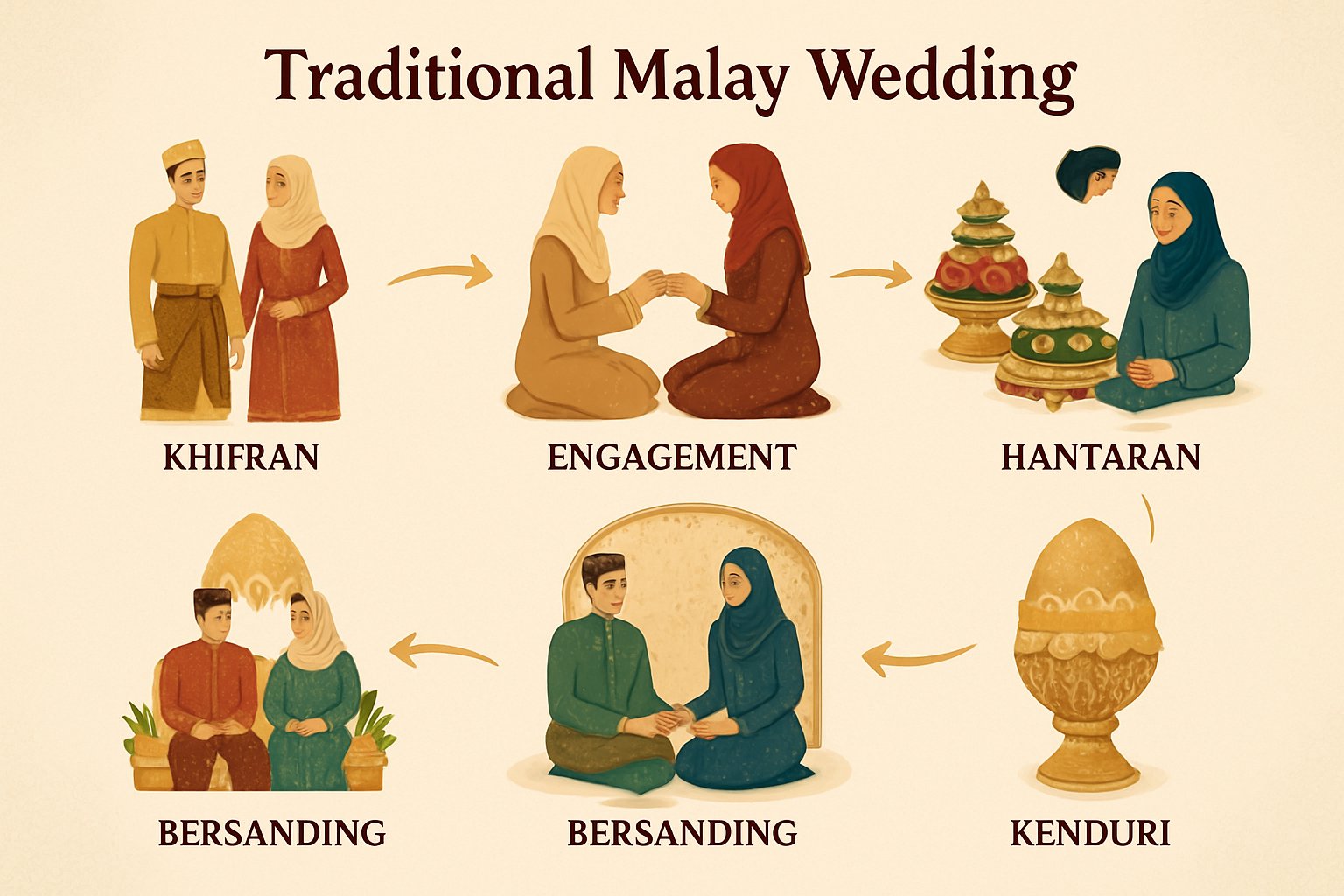
Before you dive into detailed planning, it helps to see the whole journey. A Malay wedding typically moves through six recognizable stages, with small variations depending on regional heritage, Islamic guidelines, and family preferences. By mapping these steps early, you can schedule legal requirements, ceremonial dates, vendor bookings, and family gatherings in a realistic sequence. This overview provides a high-level look at the key phases in wedding Malaysian traditions, helping you grasp the flow before exploring each one in depth.
Merisik (Initial Inquiry or Spying)
Merisik is the discreet inquiry phase where the groom’s family formally confirms the bride’s availability and suitability, often through a trusted go-between. Even when couples already know each other, families may still observe this tradition to uphold courtesy. In modern practice, the tone is respectful and transparent, and the conversation may include education, career, and expectations for timelines. This stage sets a foundation of mutual understanding, ensuring both families are aligned before moving forward with more formal commitments.
Bertunang (Engagement)
Bertunang formalizes the intention to marry and typically includes a ring exchange, simple prayers, and symbolic gifts. Families discuss proposed dates, budgets, and roles, which helps you set a realistic planning calendar. Urban couples may hold a small home event, while others book a community hall, prioritizing intimacy and cost control. Overall, this phase strengthens family bonds and provides a clear path toward the wedding day.
Hantaran (Exchange of Gifts)
Hantaran refers to ceremonial trays of gifts exchanged between families, often presented beautifully to reflect goodwill and mutual respect. You will commonly see items like Quran, prayer garments, perfumes, confectionery, and accessories, curated to mirror both families’ tastes. The number of trays is mutually agreed, and presentation style has become more minimalist in 2025, with a focus on quality and symbolism. This exchange not only honors traditions but also adds a personal touch that can make the wedding more memorable for everyone involved.
Malam Berinai (Henna Night)
Malam berinai celebrates the bride (and sometimes the groom) with henna application, blessings, and family bonding. Depending on heritage, you may see traditional attire and music that honor lineage while keeping the program short. Many couples today limit the guest list to close relatives, preserving meaning while managing costs and schedules. This intimate gathering allows for heartfelt moments that reinforce cultural identity and prepare the couple emotionally for the marriage ahead.
Akad Nikah (Solemnization)
Akad nikah is the legally binding Islamic marriage contract, officiated by a recognized religious official. This stage includes the ijab kabul (offer and acceptance), the dowry (mas kahwin), and official documentation. Because it is the legal core of the marriage, you should confirm paperwork, witnesses, and venue early to avoid delays. Ensuring all elements are in place makes this pivotal moment smooth and spiritually significant for the couple and their families.
Hadang and Bersanding (Wedding Reception and Throne Ceremony)
Hadang refers to playful gatekeeping rituals—such as poetic exchanges or token payments—before the couple or groom enters, while bersanding is the seated ceremony where the couple is honored. Guests offer blessings, and families showcase hospitality through food and music. In 2025, many families merge bersanding with a single reception to simplify logistics and minimize venue costs. These elements combine to create a festive atmosphere that celebrates the union while respecting longstanding customs.
Stage 1: Merisik – The Proposing or Inquiry Ceremony
At this stage, you focus on respectful due diligence. The groom’s family, often represented by elders, seeks clarity about the bride’s status, family values, and willingness to proceed. While historically discreet, today’s merisik can be a warm, straightforward visit that establishes rapport and opens a channel for practical discussions, including tentative timelines. Even if you and your partner already agree to marry, honoring merisik signals respect for both families’ dignity and cultural continuity. This initial step in wedding Malaysian practices helps prevent misunderstandings and builds a positive foundation for the entire process.
Stage 2: Bertunang – The Engagement Ceremony
Engagement formalizes intent and sets the tone for planning. You exchange rings and, in many cases, light hantaran items to symbolize mutual promises. Families may draft a working plan for the akad date, expected guest counts, and roles, which keeps you aligned as you navigate vendors, budgets, and travel. To save time, capture decisions in writing—dates, responsibilities, and contingency ideas—so future steps move smoothly. Incorporating modern elements can make this ceremony feel both traditional and personalized to your story.
Stage 3: Hantaran – The Dowry and Gift Exchange Ceremony
Hantaran emphasizes reciprocity and affection between families. Aside from the required mas kahwin (religiously mandated dowry from the groom to the bride), additional gifts are agreed upon by both sides and tailored to culture and budget. In 2025, couples often streamline the number of trays, opting for high-quality essentials and coordinated design aesthetics that photograph well. You can plan the exchange during the engagement or on the akad day, depending on schedules and family tradition. This practice not only fulfills cultural expectations but also fosters goodwill that lasts beyond the wedding.
Stage 4: Malam Berinai – The Henna Application Night
Malam berinai adds color, artistry, and blessings to the wedding timeline. The evening centers on henna application for the bride, with supportive rituals, songs, or readings that celebrate the transition to married life. Many couples make it a cozy home event to prioritize meaning over spectacle, inviting only close relatives. If you prefer a modest program, keep the schedule tight and provide clear cues to guests so the night remains intimate and memorable. Blending traditional patterns with contemporary designs can make the henna application a unique highlight.
Stage 5: Akad Nikah – The Solemnization Ceremony
Akad nikah is the legal heart of the marriage, and accuracy matters. You arrange for an authorized wali and an official to conduct the ijab kabul, prepare identity documents, and confirm the mas kahwin amount in RM. The ceremony is usually brief yet deeply spiritual, often followed by a simple doa and light refreshments. To prevent administrative hiccups, verify local religious office requirements, witness availability, and any venue permits several weeks in advance. This step ensures the union is both religiously valid and legally recognized in Malaysia.
Stage 6: Bersanding – The Sitting-in-State Ceremony
Bersanding is the celebratory showcase where the couple sits on a pelamin (dais) and receives blessings from elders and guests. You may incorporate hadang customs, kompang, and traditional attire, blending them with modern reception elements like curated menus and time-boxed speeches. Many families host one main event to control costs and reduce planning complexity, especially when guests travel. Keep the program structured—arrival, bersanding, salam restu, meal service—to maintain momentum and guest comfort. This final stage beautifully culminates the wedding Malaysian journey with joy and community.
Cultural Context: Types of Wedding Ceremonies in Malaysia
Malaysia’s multicultural setting means you may encounter diverse wedding styles across Malay, Chinese, Indian, and Christian communities, with increasing numbers of mixed-culture celebrations. Understanding these differences helps you coordinate guest expectations, attire, and schedules, especially for cross-cultural unions. While this guide centers on Malay stages, the broader context matters when you plan joint or back-to-back events. Exploring these variations can inspire creative ways to honor multiple traditions in your own wedding Malaysian experience.
Malay Wedding Ceremonies
Malay ceremonies align with Islamic principles and local customs, emphasizing modesty, family involvement, and community hospitality. You will typically see merisik, bertunang, akad nikah, and bersanding, along with the dowry and gift traditions. Timelines can be compressed for practicality, with some couples conducting akad and reception on the same day to accommodate travel and venue availability. These elements create a harmonious blend of faith and festivity that resonates deeply in Malaysian culture.
Chinese Wedding Ceremonies
Chinese weddings may feature tea ceremonies honoring parents and elders, auspicious date selection, and gate games reflecting playfulness. Banquets are a focal point, with multiple courses symbolizing abundance and harmony. Coordination across households is key, so if you are hosting a blended event, budget extra time for tea ceremonies and seating plans. Incorporating these rituals can add layers of meaning and respect to a multicultural celebration.
Indian Wedding Ceremonies
Indian weddings vary widely by community—Hindu, Sikh, and others—with distinctive rituals such as the mangalsutra tying, saptapadi, or Anand Karaj. Attire, music, and blessings carry profound symbolism, often spanning multiple days. If you are planning a dual-tradition wedding, map ceremonies carefully to avoid overlap and ensure each rite receives proper attention. This approach allows for a rich tapestry of traditions that honor diverse heritages.
Christian and Western-Style Weddings
Christian weddings commonly involve a church service, vows, and a reception with speeches and cake cutting. Western-style elements like bridal parties, first dances, and bouquet tosses appear across communities. When you combine these with Malay customs, allocate clear transitions so guests understand when each tradition begins and ends. Such integrations can make the event more inclusive and enjoyable for all attendees.
Modern and Mixed-Culture Weddings
Mixed-culture weddings often adopt a modular schedule, interleaving essential rites from each tradition. Couples prioritize clarity—printed programs, emcee guidance, and bilingual signage—to keep guests informed. In 2025, many opt for smaller, well-documented ceremonies with professional photography and compact timelines that still respect core rituals. This flexibility allows for personalized celebrations that reflect the couple’s unique backgrounds and future together.
Financial Traditions: Who Pays for Weddings in Malaysian Culture?
Budget expectations differ by culture, locality, and family negotiations, but you can avoid friction by clarifying contributions early. In Malay contexts, the groom provides mas kahwin and typically shoulders a significant portion of reception costs, although modern families increasingly split expenses. Transparent planning documents, shared spreadsheets, and early vendor quotes help you keep spending aligned with agreed roles. Understanding these financial aspects is crucial for smooth wedding Malaysian preparations in 2025.
| Community/Element | Primary Payer (Traditional) | Modern Trend (2025) | Typical Range (RM) |
|---|---|---|---|
| Mas Kahwin (Malay) | Groom | Still groom; amount varies by state | RM300–RM1,000+ (state-guided minimums apply) |
| Hantaran Gifts (Malay) | Both families | Fewer, higher-quality trays | RM500–RM3,000 per side (wide variance) |
| Reception Catering | Groom’s side (Malay); hosts (others) | Shared or single joint reception | RM20,000–RM60,000 for 300–600 pax |
| Attire & Pelamin (Malay) | Groom’s side or shared | Shared, with set packages | RM3,000–RM15,000 depending on scope |
| Photography/Video | Varies | Shared or couple-funded | RM2,000–RM8,000 |
Traditional Expectations
Traditionally in Malay weddings, the groom provides mas kahwin as a religious obligation and often finances a major portion of the reception. Families exchange hantaran to symbolize goodwill, and elders may sponsor specific elements such as attire or kompang. While customs vary by state and lineage, the guiding principle is mutual respect, not competition, which helps you frame discussions constructively. These expectations provide a framework that honors heritage while allowing for personal adaptations.
Modern Shifts in Wedding Financials
In 2025, many couples prefer a single, joint reception and shared budget oversight to avoid duplication and reduce costs. Digital planning tools make it easy to track deposits, compare catering tiers, and assign line items to families transparently. If you expect financial support, formalize contributions early—who covers venue, food, dais, photography—to keep expectations aligned and prevent last-minute compromises. This evolving approach reflects a practical balance between tradition and contemporary lifestyles in Malaysia.
Conclusion
From merisik to bersanding, a Malay wedding follows a thoughtful sequence that balances faith, family, and celebration. When you clarify stages, paperwork, and budget roles early, you protect timelines and create space for moments that matter. Use this 2025 overview to plan with accuracy, adapt traditions to your context, and communicate clearly so every ceremony—large or small—feels intentional, welcoming, and memorable. Embracing these elements ensures your wedding Malaysian journey is both culturally rich and personally fulfilling.
Frequently Asked Questions
Is merisik still necessary if the couple already agreed to marry?
Yes, many families still observe merisik as a courtesy between households, even when the couple has decided. The visit establishes respect, clarifies timelines, and opens channels for discussing engagement and akad plans. You can keep it simple while honoring the tradition. This practice maintains cultural continuity in modern wedding Malaysian contexts.
What is the difference between mas kahwin and hantaran?
Mas kahwin is the religiously mandated dowry from the groom to the bride and must be stated during akad nikah. Hantaran are additional symbolic gifts exchanged by both families, agreed upon based on culture and budget. The two serve different purposes and should be planned separately. Understanding this distinction is key for accurate budgeting in Malay wedding stages.
Can akad nikah and reception happen on the same day?
Yes, many couples combine akad and reception on the same day to streamline logistics and reduce costs. If you choose this route, confirm official availability early, build buffer time between ceremonies, and brief vendors on the schedule. Clear emcee guidance helps keep guests oriented. This trend is popular in 2025 wedding trends Malaysia for its efficiency.
How many hantaran trays should we prepare in 2025?
There is no fixed number; families agree on what feels appropriate. A current trend is fewer but higher-quality trays that reflect personal meaning and practicality. Confirm expectations early so both sides can coordinate presentation and budgets. This flexibility allows for customization in hantaran traditions.